Sant Tukaram
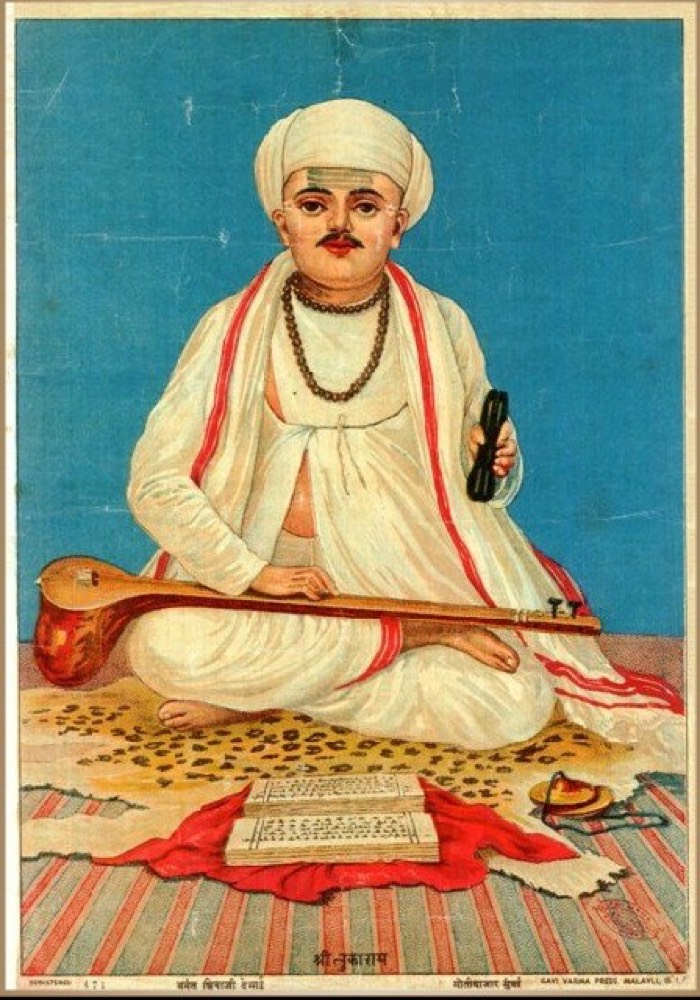
Today, the problem of caste is used as weapons to attack Hinduism & shake our faith. But people don’t realise that casteism is not Dharma - it’s a distorted, mistranslated reading of it.
The original varna system was a free, open, merit-based structure - a division of roles by quality and action, not by birth. But over time, it was corrupted into a rigid birth-based hierarchy used to exclude, exploit, and divide.
One of the fiercest voices in our own community who stood up to this distortion was Sant Tukaram & here’s his story.
Born around 1598 in Dehu, near Pune, Tukaram came from a farming and moneylending family. He grew up in a Maharashtra already lit by Bhakti saints like Dnyaneshwar and Namdev, who made Dharma accessible to all through devotion to Vitthal - a humble, barefoot deity who stands up for the poor and oppressed.
Tukaram’s mother was a Vitthal devotee herself, so Bhakti was already in his blood. But he didn’t stay a devotee - he grew into a disruptor. Despite pushback from his own family, he chose kirtans over business, poetry over profits, and built spiritual spaces where caste and gender didn’t matter.
One of his closest followers was Bahina Bai, a Brahmin woman shamed for joining his path - but Tukaram didn’t care. He believed birth doesn’t define worth, and everyone has the right to access God, Vedas, scriptures, and practice of Dharma.
That shook the elite. Priests and upper castes tried to silence him - but he kept writing. Over 4,000 abhangas in simple Marathi, laced with emotion, farming metaphors, and bold critiques of caste, ritualism, and social arrogance. His poems weren’t just spiritual - they were a cts of protest.
His teachings didn’t just heal hearts - they united them. They gave cultural strength to 17th-century Maharashtra and indirectly powered Chhatrapati Shivaji Maharaj’s vision of Swarajya. Shivaji is even said to have thanked Tukaram personally for awakening the masses & strengthening them mentally for the fight against Mughals.
Tukaram’s big contribution is that he made Dharma personal again - no exploiting priests, no gatekeepers, just you and God.
In many ways, he became the very saviour he worshipped.
His verses, compiled in the Tukaram Gatha, are still sung by Warkari pilgrims walking to Pandharpur - a 400-year-old movement still alive and loud.
Today, Tukaram stands as a symbol of equality and social reform, reminding modern Hindus to drop caste pride and return to compassion, unity, and truth.
Want to explore his work, do check out this page Poetry is Protest, which is translating his timeless abhangas for Gen-Zs.