Sant Dnyaneshwar
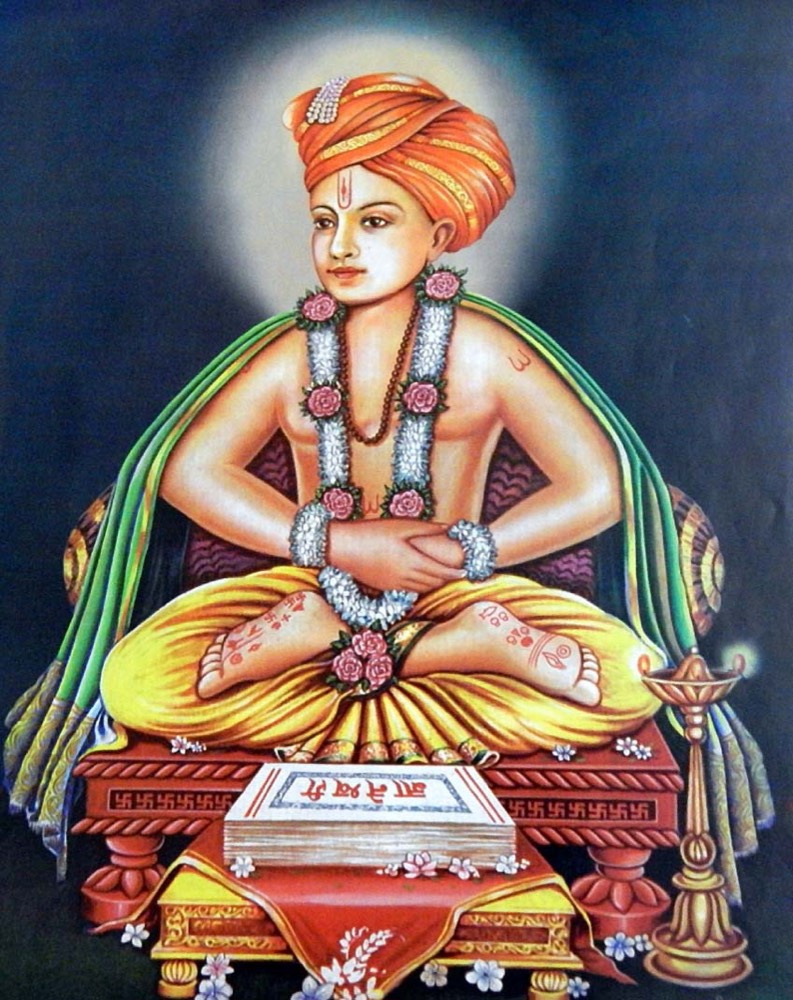
Did you have that one teacher or friend in school who made complicated stuff easy to understand & relate to?
That’s exactly what a little boy named Sant Dnyaneshwar did for our Dharma & here’s his story.
Born in 13th-century Apegaon, Maharashtra, Dnyaneshwar had a brutal start. His father Vitthalpant had taken sannyasa, but was asked by his guru to renounce it when it came out that he had a young wife, Rukmini.
They went on to have four children, but the Brahmins saw this as a sin or heresy. The whole family was outcast, and the parents were driven to commit suicide, leaving the kids orphaned.
Dnyaneshwar was raised by his elder brother and guru, Nivruttinath.
At the time, the Bhagavad Gita was locked away in Sanskrit, only accessible to upper-caste Brahmins. But Dnyaneshwar made its nectar available to everyone - by writing Bhāvārtha Dīpikā, now known as the Dnyaneshwari, in simple Marathi.
It’s not just a translation - it’s a living, breathing Vedantic commentary, meant for farmers, workers, everyone.
He didn’t stop there. He later authored Amrutanubhav, a dense, original work that challenged even Adi Shankaracharya’s Advaita. Instead of saying the world is an illusion, Dnyaneshwar said it’s a beautiful, divine expression of the formless Brahman - so we can love and experience God through bhakti, or selfless devotion. He famously declared that the same soul lives in a buffalo as in a man - a direct blow to caste and species superiority.
But his biggest flex? Teaming up with Sant Namdev. Together, they toured India spreading the message of love, service, and surrender to God. They laid the foundation of the wari - a bi-annual walking pilgrimage to Pandharpur, the spiritual HQ of the Varkaris - India’s largest living devotional movement, who worship Vithoba, a barefoot, black-skinned deity who is the saviour of the poor, the farmer, and the forgotten.
So like Vithoba, Dnyaneshwar came to be known as Mauli - the loving mother. His Dnyaneshwari became a household scripture in Maharashtra, still sung and read today.
He took sanjivan samadhi - voluntarily leaving his body in yogic trance - at Alandi at just 21 - you can visit this site today. But this young saint became the very bedrock of the Marathi bhakti tradition, inspiring giants like Tukaram and Eknath, who’d carry forward his mission of reviving our Dharma for centuries to come.