Mahābhārata, Rājataraṅgiṇī and Arthaśāstra manuscripts inscribed on UNESCO's Asia-Pacific Memory of the World register
The Itihāsa, Kalhaṇa's chronicle of Kashmir and Kauṭilya's treatise on statecraft were recognised together at a session in Jakarta.
- ThePrint (PTI)
- Deccan Chronicle
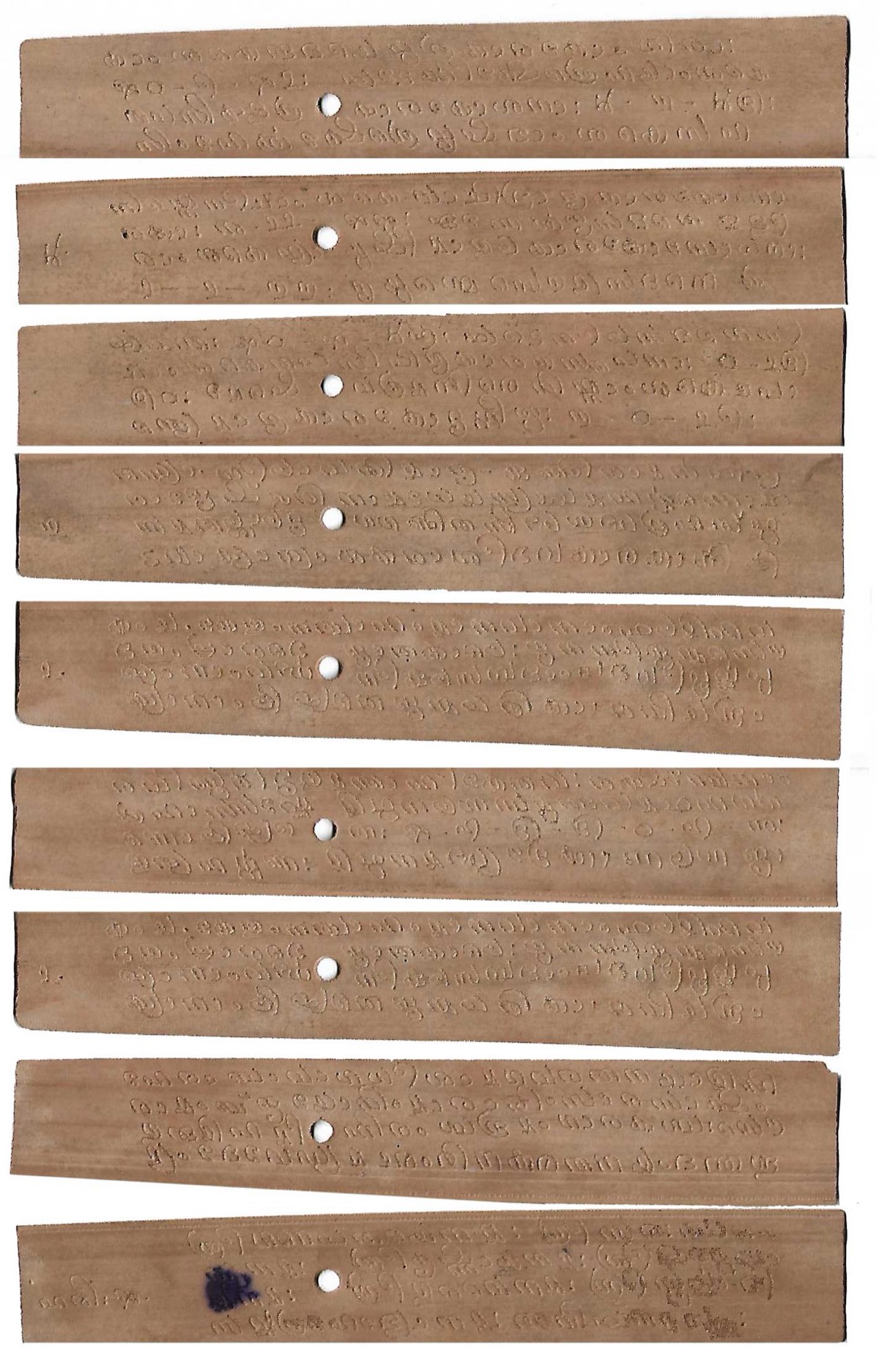
Manuscripts of the Mahābhārata, Kalhaṇa's Rājataraṅgiṇī and Kauṭilya's Arthaśāstra have been inscribed on UNESCO's Memory of the World Asia-Pacific Regional Register, officials said on Thursday, 5 November. The decision was taken at the 11th session of the regional register, held in Jakarta, Indonesia.
The Indira Gandhi National Centre for the Arts (IGNCA) announced the session outcome. According to an official, IGNCA prepared the nomination dossiers for all three works.
PIB Culture shared photographs of the UNESCO certificates. It called the inscriptions "a moment of immense pride for India".
The Rājataraṅgiṇī is a 12th-century verse history of the kings of Kashmir. The Arthaśāstra is the classical Indian work on governance and statecraft.
With these three, India now has six inscriptions on the regional register, the official said. The official described them as recognition of Indian knowledge traditions on history, ethics, philosophy, Dharma and good governance.
The reports did not say which specific manuscript copies were nominated or where they are held.
Key data
3 works inscribed; 11th session of the regional register, Jakarta; India's total on the Asia-Pacific register now 6.
Why it matters
Global recognition of the Itihāsa and of classical Indian thought on Dharma and statecraft strengthens the case for conserving, digitising and studying these manuscripts. It also places them alongside the documentary heritage of the wider Asia-Pacific region.
GK: did you know?
Kalhaṇa completed the Rājataraṅgiṇī around 1148 to 1149 CE, and UNESCO launched the Memory of the World programme in 1992. In April 2025 the Bhagavad Gītā and Bharata Muni's Nāṭyaśāstra were added to UNESCO's international Memory of the World Register.