Kashmiri Pandit groups object to a government-funded graveyard upgrade on the road to Srinagar's Shankaracharya Hill
A ₹44.37 lakh Roads and Buildings order from September has turned into a dispute over whether the tombs are old or new.
- The Hindu
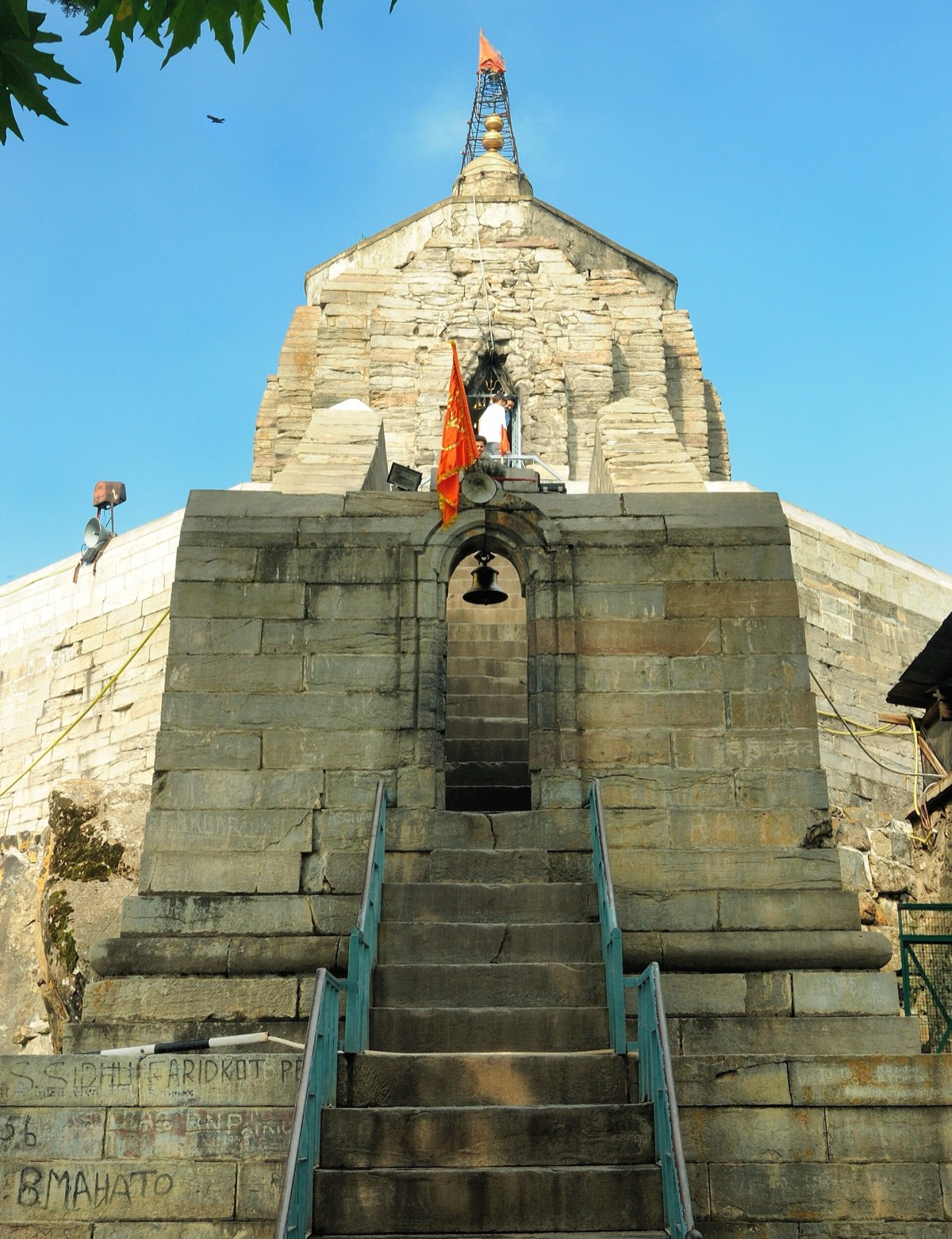
Kashmiri Pandit groups on Sunday objected to construction work at a small graveyard on the road leading to the Shankaracharya Temple in Srinagar, saying it had "suddenly cropped up", The Hindu reported. Ravinder Raina, who heads the Save Sharda Committee, wrote on X that he had never heard of a mazār on Shankaracharya Road and that senior community members who visited the temple as children also did not recall one.
Raina said the land on both sides of the road belongs to social forestry, and his post drew a wave of responses and demands to halt the work. Activist Utpal Kaul said he had climbed to the Śiva temple every Sunday from 1965 to 1990 and had never seen a mazār there.
Kaul said that according to the Rājataraṅgiṇī the hill was known as "Gopadetirth", and that it came to be called Shankaracharya Hill because Ādi Śaṅkara meditated there. According to The Hindu, the J&K Roads and Buildings department, in an order dated 12 September, approved ₹44.37 lakh for "improvement of Astan Aliya Syed Usman Sahib on the way to Shankaracharya road".
The contract was allotted on behalf of the Lieutenant Governor to a firm named Aziz Kashmiri & Co. The newspaper said opinion in the Valley is divided along community lines. Srinagar author Hakim Sameer Hamdani said the design and motifs of the tombstones date from the Sultanate period and persisted into late Mughal and early Afghan rule, which would make the graves centuries old.
No response from the J&K government to the Pandit groups' objection was reported.
Key data
₹44.37 lakh sanctioned by the R&B department on 12 Sep 2026. Utpal Kaul says he visited the temple weekly from 1965 to 1990.
Why it matters
The hilltop Śiva temple is one of the few functioning ancient Hindu shrines in the Valley and a touchstone for displaced Kashmiri Pandits, so any change on its approach road is read as a test of how the administration protects their sacred geography. The competing claims about the age of the tombs are a matter for documentary and archaeological evidence, not social media.
GK: did you know?
Kalhaṇa completed the Rājataraṅgiṇī, the Sanskrit verse chronicle of the kings of Kashmir, around 1148 to 1149 CE, and it remains the main early source for the Valley's sacred sites.