Kalidasa
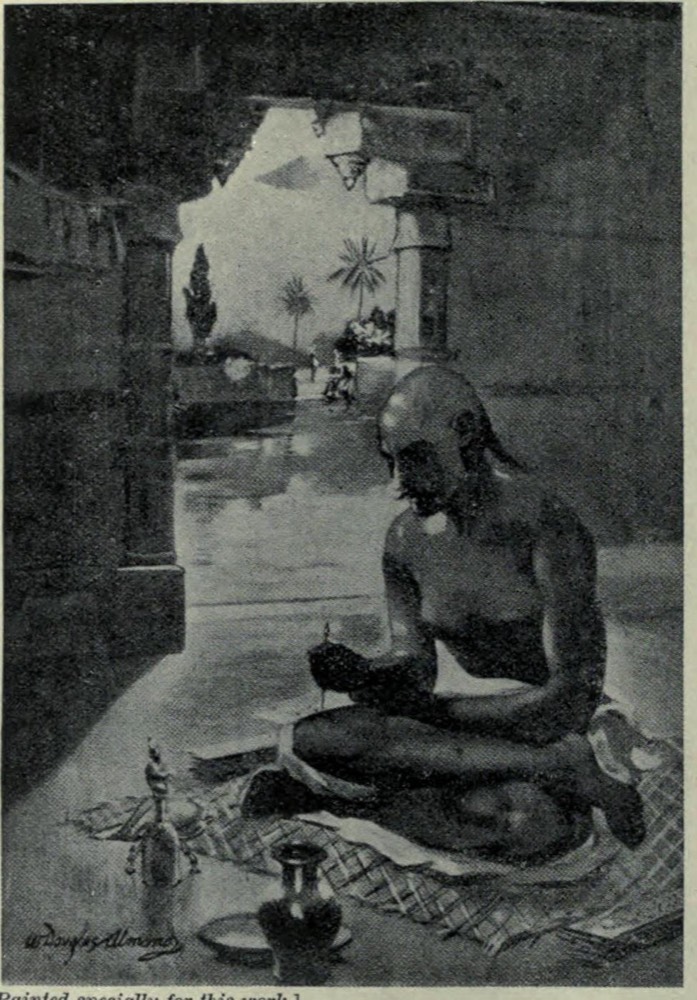
They taught you about Shakespeare & Homer in school but do you anything about our own Kalidasa - the greatest poet & playwright ever?
Here’s his story.
Kalidasa lived somewhere in Upper-Northern or Central India in the 4th-5th Century CE when India was going through its own cultural renaissance with the Gupta Empire & Sanskrit was having its hayday.
First, Kalidasa did for our Dharma what Netflix has done today for pop culture - turning big stories from our Vedas, Itihasas & Puranas into refined entertainment & art that taught people of Hindu values & traditions seamlessly through poetry.
Second, more importantly, Kalidasa also humanised our Gods, showing their struggles, making them more accessible. And with his gorgeous poetic descriptions, he reinforced that Nature was sacred so we should preserve it.
Today we can read his six surviving works, which include 3 plays, 2 epic poems, and 1 lyric poem.
1. अभिज्ञानशाकुन्तलम् (Abhinyanashakuntalam) is a love story of King Dushyanta & Shankuntala, with far more depth & nuance than “Romeo & Juliet” ever could
2. मेघदूतम् (Meghaduta) is a gorgeous lyric poem in which a lover sends a message to his distant wife through a rain cloud
3. रघुवंशः (Raghuvamsa) is an epic poem with stories of the Raghu dynasty of the Solar Race of Kings, who came before and after Sri Ram of Ayodhya
4. कुमारसम्भवः (Kumarasambhava) follows the story of Shiva’s & Parvati’s sacred union, symbolising the cosmic mingling of Purusha & Prakriti
5. मालविकाग्निमित्रम् (Malvikagnimitram) is a more grounded human tale of the forbidden love between King Agnimitra & Malvika, a beautiful handmaiden to one of his queens
6. विक्रमोर्वशीयम् (Vikramorvashiyam) is a romantic drama of King Vikrama’s struggle to win over the heavenly nymph Urvashi.
There’s also a seventh work, completing his rainbow, ऋतुसंहारः (Ritusamhara), but many say it’s not originally his.
It’s a shame we weren’t taught Kalidasa in school because work is filled with so many emotions & themes of love, separation, reunion and bravery, that it is the unskippable curriculum for anyone who wants to learn to tell stories & evoke the navarasas i.e. 9 emotions of Indian Natyashastra, in their audience.